Tag Archives: looting

Marion True: Did the good outweigh the bad?

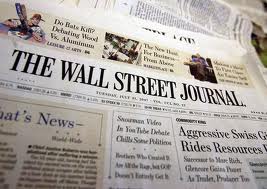
In archaeologist Malcolm Bell’s review of Chasing Aphrodite in this weekend’s Wall Street Journal, he echoes our premise that museums have destroyed our knowledge of the past by fueling the trade in looted antiquities. “A fabric of lies was woven around artifacts whose real history was suppressed or unknown,” Bell writes.

But controversially, Bell also suggests we “undervalue” True’s role as a reformer of the illicit antiquities trade, concluding:  “Her contributions far outweigh her mistakes, and were I today to be asked to recommend someone to fill a major museum position, she would be the first person to come to my mind.”

One critic has called Bell “a liar,” while another says Bell “has an agenda” but calls his review “informed and informative.”

We’re preparing a response to Bell’s review. In the meantime, we’d love to hear your thoughts. Weigh in with the poll below, and feel free to ellaborate on your answer in the comments section:

The Becchina Dossier: A New Window into the Illicit Trade

Italian culture reporter Fabio Isman has an important story in the current issue of the Art Newspaper [no link available yet] about Gianfranco Becchina, the retired Sicilian antiquities dealer who now faces trial in Rome for conspiracy to traffic in looted art.

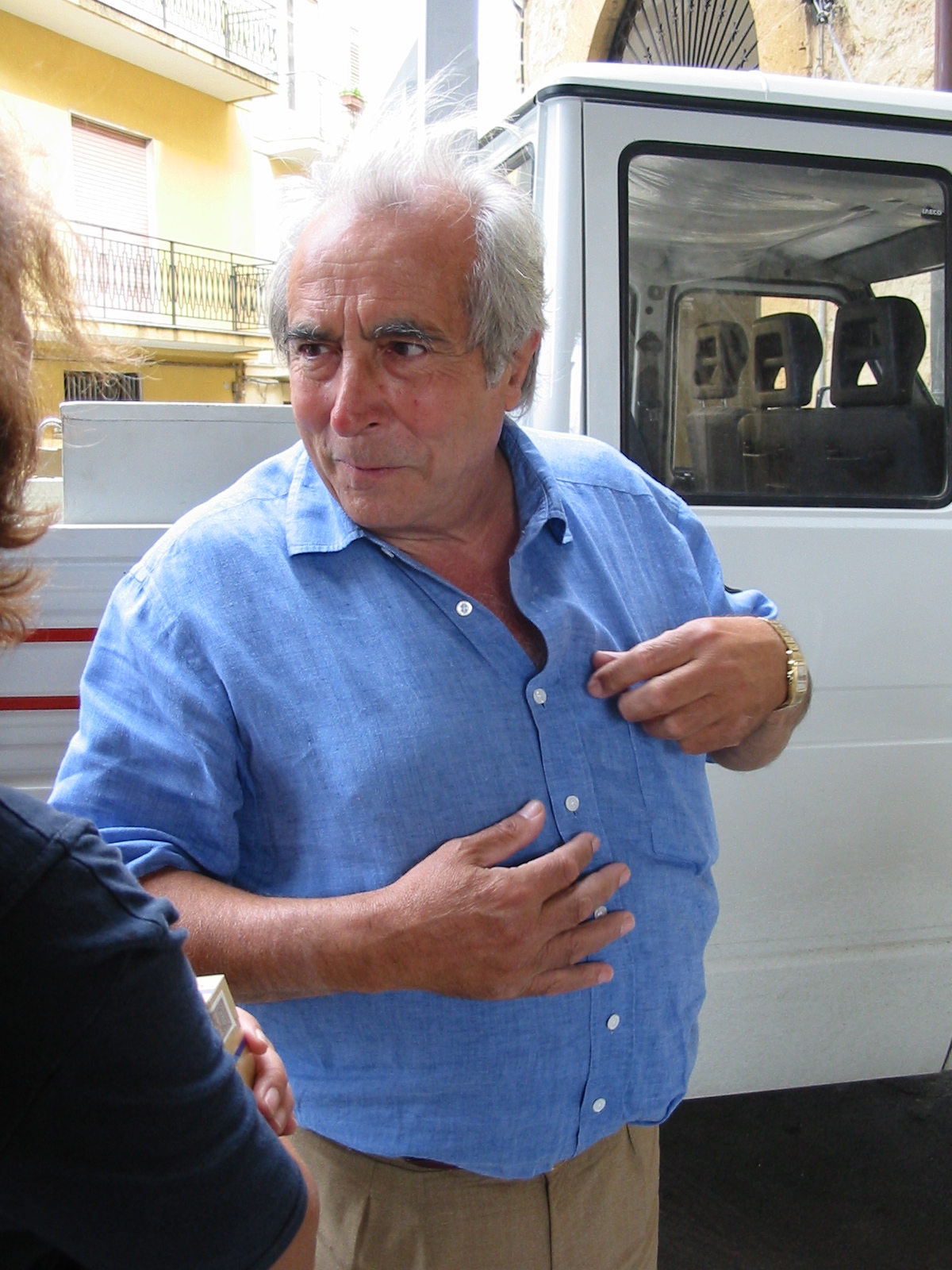
Sicilian dealer Gianfranco Becchina gives the authors a tour of his renovated pallazzo in Castelvetrano, Sicily.

While reporting our book, Italian authorities told us that Becchina’s role in the illicit antiquities trade may have exceeded that of his now notorious rival, Giacomo Medici, who was convicted in 2004 in the biggest looting case in Italian history. Becchina, now 72 and retired from the trade in his native Sicily, is appealing a February 2011 conviction for illegal dealing and has denied pending conspiracy charges, Isman writes.

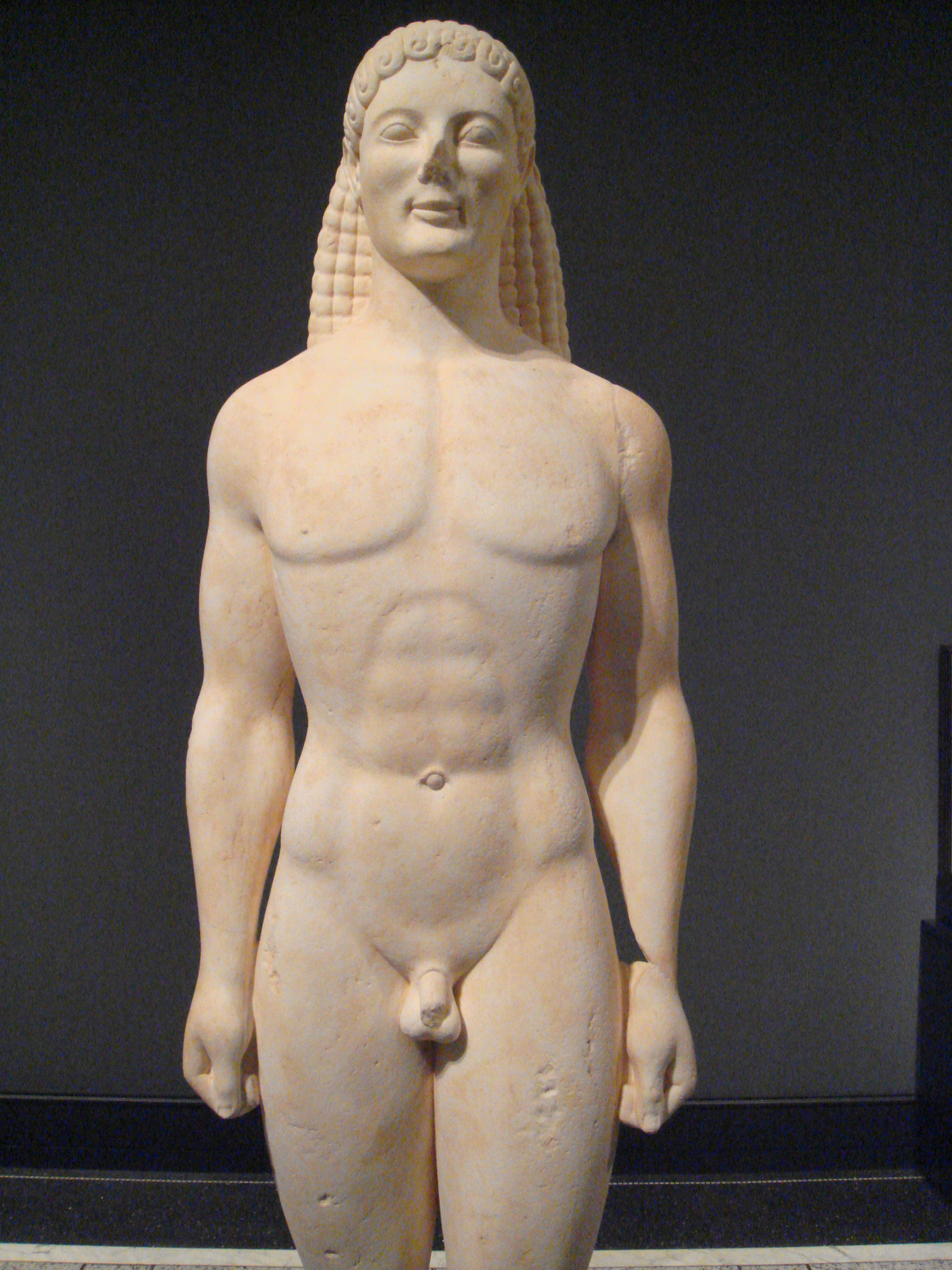
Becchina is perhaps best known as the dealer who sold the Getty its famous fake marble kouros. (See Chaps 4 and 5 of Chasing Aphrodite.) But that was just one sale in a 30-year career that Becchina meticulously archived in 140 binders containing more than 13,000 documents. The archive was seized by Swiss authorities in 2001, along with 6,315 antiquities and 8,000 photographs of objects, many of which appeared recently excavated, Isman reveals. The dossier shared with Italian investigators, who needed two months just to digitally photograph it.

The Getty bought the kouros in 1985 for $10 million. Today it is believed to be fake.

Today, the Becchina Dossier forms the center of Italy’s continuing investigation of the international trade in looted antiquities, which began in 1995 with the seizure of a similar cache  of records and Polaroids belonging to Medici. Like the Medici files, the Becchina Dossier provides a striking record of the illicit trade, showing the path of thousands of looted objects from tombs across the Mediterranean to the display cases of leading museums around the world.

Becchina has previously admitted to providing objects to the Getty, the Boston MFA, the Met and museums at Yale, Princeton, Columbia and the University of Washington, as well as the Ashmolean Museum in Oxford and museums in Japan. The archives reveal an even broader reach, Isman reports, including “the clandestine investigation of a million artifacts and police investigations into the affairs of 10,000 people.”

Among those tied to Becchina are the Toledo Museum of Art, the Miho Museum in Japan, the Lourve in Paris, the Merrin Gallery in New York, collectors Leon Levy and Shelby White and a large cast of middle men and looters familiar to those who have studied the illicit trade.

Italian investigators Maurizio Pellegrini and Daniella Rizzo have been combing the Becchina Dossier for several years.

Italian investigators Daniella Rizzo and Maurizio Pellegrini have had the painstaking task of combing through the dossier since its seizure, matching objects described there to known collections. Their work continues today. Isman’s revealing story is the first of what will likely be several uncovering the contents of the Becchina Dossier.

We too have reviewed the Becchina Dossier and will write more about it in the coming weeks. Stay tuned for that and stories about Becchina, who the authors visited in 2006 while reporting on the book.

PBS NewsHour: Museums and the Risky Business of Looted Antiquities

Jeffrey Brown of the PBS program NewsHour interviews Ralph about Chasing Aphrodite.

SAFE interview with co-author Ralph Frammolino

SAFE, the New York nonprofit focused on protecting cultural heritage, has posted its interview with Ralph Frammolino, who gives the behind the scene story of the Getty antiquities scandal and how Chasing Aphrodite came to be.

Listen to it here:   SAFE podcast

Editor’s Choice: “It’s impossible not to become engaged…”

The Christian Science Monitor has named Chasing Aphrodite an “Editor’s Choice.” Their review says:

“Felch and Frammolino are serious men, investigative reporters at the top of their games, who very intelligently lay out all the issues at stake here, and you’d probably do best to read this one sitting up straight.

But like all of the titles above, “Chasing Aphrodite” is blessed with the odd allure that marks the world of art itself – a world that Felch and Frammolino describe as “glamorous but not pretty.”

Low-down thugs rub elbows with terrifyingly erudite curators and ridiculously wealthy collectors, all of them almost helplessly attracted to a handful of the most beautiful objects in the world. Museum staffs with more PhDs per capita than you’ll find at MIT create “spiteful environment[s]” in which a sense of entitlement runs wild and trips to Paris on the Concorde are viewed as a basic right. And then there are the earnest investigators – Italian, in this case – driven by a deep-seated conviction that what’s theirs is theirs and that when it comes to the finest of antiquities “such loveliness belongs at home.”

Felch and Frammolino researched their topic for five years, doing countless interviews and enjoying access to confidential Getty files. The result is a book so tightly nailed down that when they describe a meeting you sometimes learn who sat where and what the weather was like that day.

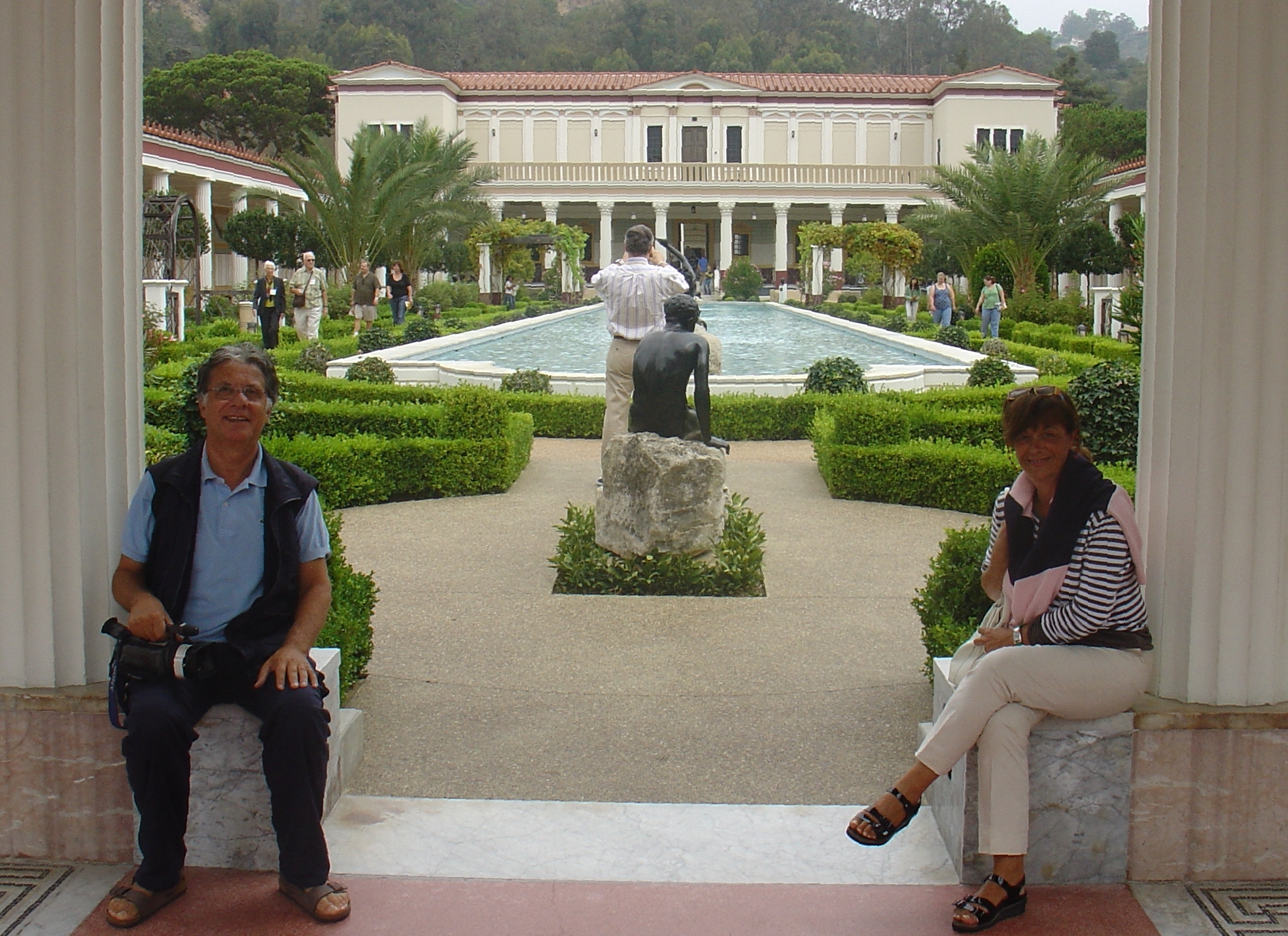
That’s not to say that it’s not a page turner. As a reader it’s impossible not to become engaged with characters like True, who started life in blue-collar Massachusetts but eventually landed – thanks to morally questionable intervention on the part of some wealthy friends of the Getty – a Greek villa of her own.

It’s a world that’s as distant from most of us as the Peloponnesian War – and yet as close as the museum that you visited last week.”

Read the full review here.

Five Tips for Finding Loot at Your Local Museum

Jason and Ralph will be speaking Friday, June 10 in Orlando at IRE, the annual gathering of investigative reporters. Our topic is how to find loot at your local museum.

You don’t have to be an investigative reporter to find looted antiquities. Museums around the country are home to ancient art of questionable origins. As Marion True once told her museum colleagues: “Experience has taught me that in reality, if serious efforts to establish a clear pedigree for the object’s recent past prove futile, it is most likely — if not certain — that it is the product of the illicit trade and we must accept responsibility for this fact.” (p. 190 of Chasing Aphrodite)

So, in that spirit, here are five things to look for at your local museum:

1. The Usual Suspects:For decades, the market in Classical antiquities
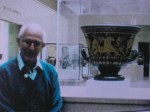
Robert Hecht poses in front of the famous looted Greek vase he sold the museum in 1972 for $1 million.

was controlled by a handful of shady dealers who operated much like a cartel. They were competitors, but cooperated as necessary to get the highest price for their wares. Look for their names in the ownership histories of ancient art: Robert Hecht, Frieda Tchakos, Fritz Burki, Gianfranco Becchina, Robin Symes, Christo Michaelidis.

2. Read the Labels: Many museums are frustratingly vague about an object’s origins. In the language displayed next to a piece of ancient art, you’ll find see something like “said to be from” this or that country or region. The question to ask is: who said? The answer is often dealers, middlemen and even looters. Curators often sought out this important information from their market sources, but kept it vague to hide an object’s illicit origins.

3. Accession numbers: Most museum objects are identified by an accession number, the inventory number given to an object when it enters the collection. Every museum uses a different code for their acquisitions, but they usually contain the date of acquisition. For example, the Getty’s statue of Aphrodite was 88.AA.76. “88” is for 1988, the year the Getty acquired the statue. “AA” is the Getty’s code for ancient statues. “76” tells you its the 76th acquisition of the year. This can be key information. For example, if you know the year an object was acquired, you can figure out the standards and policies that were in place at the time.

4. Scrutinize the donors. Museums have been getting in trouble for donations for decades. Donations of art are tax deductible, and have often been a means for tax fraud at museums. Museums have also used donors to launder recently looted art. (See Chap 2: A Perfect Scheme) Some museums have lower standards when it comes to objects donated to the museum.

5. Ask for answers: Once you see an object the sparks your curiosity, ask the museum for answers about the object’s provenance, or ownership history. Most museums should (reluctantly) provide you with what they know. If they claim to have no information, ask them why they felt it was safe to purchase. The AAMD has guidelines for museum transparency on these issues. Is your museums following them?

In our view, not all looted antiquities need be returned to the country from which they were stolen. (The Getty, for example, returned only a fraction of the hundreds of objects in their collection its former curator would consider “almost certainly looted.”) But museums should be asked to come clean about their collecting practices.

Joining us on Friday’s panel will be Lee Rosenbaum of CultureGrrl fame, and James Grimaldi, the WaPo’s lead reporter on the Smithsonian’s shenannigans.

“A story the Getty wants no one to know…”


In a new review, SAFE contributor Senta German describes Chasing Aphrodite as “a story the Getty wants no one to know…told from the inside out.”

“Jason Felch and Ralph Frammolino…have assembled an extraordinary array of sources with which they tell a story the Getty wants no one to know: how the museum knowingly purchased looted and fake antiquities, misled foreign governments in their attempts to reclaim stolen property, laundered stolen antiquities through an illegal tax scheme and adopted extraordinarily conservative acquisitions policies while at the same time actively buying from the illicit antiquities market.

“It is a story of the astounding mismanagement of opportunities, resources, human capital and global reputation. Put one way, it is confirmation of the worst many suspected about curatorial caprice and institutional duplicity. Put another way, if you’re interested in issues surrounding the illicit antiquities trade, collectors and the Classical world, you can’t put the book down….

“The documentation Chasing Aphrodite presents regarding just how much curators, general counsel, the museum director and CEO of the Getty trust knew about antiquities purchases is one of the most significant aspects of the book.”

For those who don’t know the organization, Saving Antiquities for Everyone (SAFE) is New York-based education and advocacy organization whose mission is to raise awareness about the damage that results from the illicit trade in antiquities. They organize lectures, tours and events on the subject, in addition to hosting a great blog.