Category Archives: News

Lost and Found: Images Show Art Gallery NSW’s Sculpture Was Stolen From An Indian Temple

A 900-year-old Indian statue at Sydney’s Art Gallery of New South Wales was stolen from an Indian temple sometime after 1974, newly identified images show.
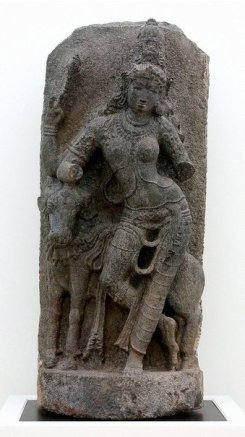
Ardhanarishvara

in_temple

Last week, the Art Gallery NSW released provenance records for the Chola-era sculpture of Ardhanarishvara which it purchased in 2004 for more than $300,000. The documents were supplied by Subhash Kapoor, the prominent Manhattan antiquities dealer who sold the sculpture to the museum. (Previous Kapoor coverage here.) The records claim a New York antiquities collector had purchased the sculpture in 1970 from a handicraft dealer in Dehli and held it ever since.

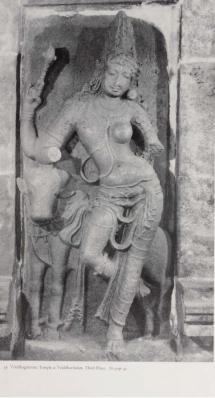
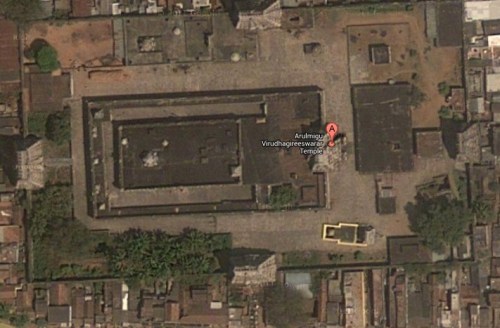
Today we can say that ownership history, like others supplied by Kapoor, was fabricated. Images identified by Poetry in Stone, a blog that celebrates South Asian temple sculpture, show the statue was in situ at the Vriddhachalam temple in Tamil Nadu, India for at least four years after 1970 and was subsequently stolen.

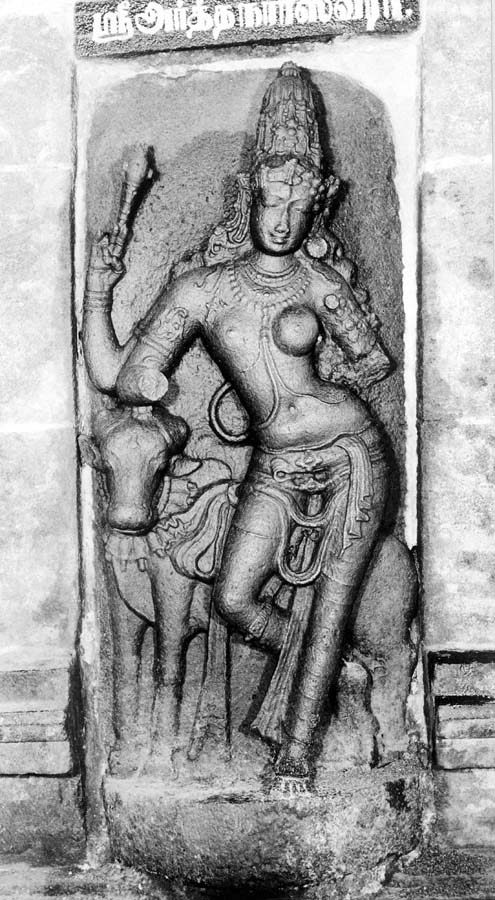
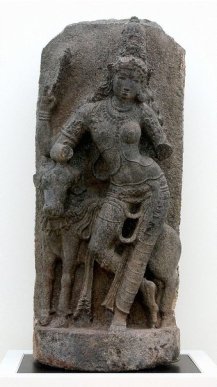
The image above left shows the sculpture in Sydney as it looks today. The image above right was published in Douglas Barrett’s 1974 book Early Chola Architecture and Sculpture 866 – 1014 and shows the sculpture in its original context at the Vriddhachalam temple.
Screen Shot 2013-07-01 at 12.20.44 AM

How the identification was made

The discovery of the sculpture’s origin is a result of rapid international collaboration. After requests from Jason and The Australian’s Michaela Boland, the Art Gallery NSA released the Kapoor provenance documents on June 25. On June 28th, A. Srivathsan at The Hindu wrote a story about the recent Kapoor revelations with a link to ChasingAphrodite.com
vj poetryinstone

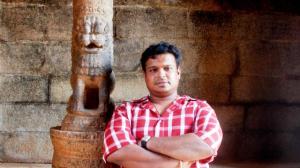
One of the people who read the story was Vijay Kumar, the creator of Poetry in Stone. Kumar came to this site, saw our post on the Ardhanarishvara and recognized it immediately.

Four years earlier, Kumar had published an iconographic study of Ardhanarishvara, the androgynous manifestation of the Hindu god Shiva and his lover Parvati. One of the temple sculptures he singled out as the “perfect form” of the god was in the Vriddhachalam temple:

You can see the female portion in full triple flexion ( tribanga) and to compensate for it, the right leg of Shiva is bent fully. This causes the male torso to lean at the awkward angle and though the sculpture would look pleasing it would not be aesthetically appealing. So he comes up with an ingenious solution. Make Shiva rest or lean on to something and the readily available option is his mount or vehicle – Nandhi. Presto, problem solved. Add lots of beautiful ornamentation, develop the differences in the dressing style and this perfected model becomes a standard for all Ardhanari images henceforth.

When Kumar recognized the Sydney sculpture as the very same “perfect model,” he dug through his files and found the 1974 plate in the Barrett book and other records of the statue, which was well documented in its original context. Here is an image of the statue in situ with a Tamil inscription above the niche from the archives of the American Academy of Benares, Varanasi:
0 RIn an email to me today, Kumar wrote:

“This particular form was my personal favorite as its beauty appealed to me in a queer form: despite two of the main limbs, the hands mutilated, the sculpture still retained its sinuous grace. If you were to look at an ordinary piece of art with such a deformity your eye would instantly go to the broken parts. However, in this piece unless someone specifically points it out to you, at first glance you tend to miss the broken hands! Apart from that, the brilliant ornamentation and their swaying etc. are wonderfully sculpted. The ear of the bull comes a bit out of the composition as well. Overall the contours of the kosta block itself are unique as well and offer the vital clue.”

Coincidently, Kumar is a native of Chennai, the Tamil Nadu capital where Kapoor is currently facing trial. He currently lives in Singapore but has reached out to contacts in Tamil Nadu to determine when and how the sculpture was stolen from the Vriddhachalam temple. We’ll keep you posted on what he finds out.
Michael Brand

Michael Brand

Meanwhile, the revelations raise several questions. When will other museums release provenance information provided by Kapoor? If the Art Gallery NSW sculpture had been so widely published, why did the museum not identify it as stolen before the 2004 acquisition? And how will the museum’s director Michael Brand respond to compelling new evidence that objects acquired before his arrival in Sydney were apparently stolen and smuggled out of India.

Brand, whose specialty is South Asia art, faced similar questions at the Getty Museum and did the right thing.

Will he now?
Coming Clean: Australia’s Art Gallery of New South Wales Releases Kapoor Documents

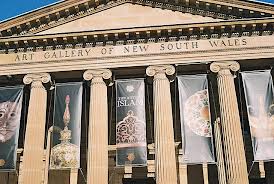
imgresThe Art Gallery of New South Wales has released provenance information for one of the six objects it purchased from Subhash Kapoor, the New York antiquities dealer currently facing trial in India for trafficking in looted art. (Past coverage here.)
UPDATE 8/18/14: Indian authorities have concluded the Ardhanarishvara sculpture described below was stolen from the Vridhdhagiriswarar Temple in Tamil Nadu India in 2002. The thieves have not been identified, but two years later Kapoor sold the sculpture to AGNSW for $400,000 with a false ownership history.

The release comes in the wake of our revelations about looted objects at the National Gallery of Australia, which acquired 21 objects from Kapoor, including a $5 million sculpture of Shiva that was stolen from an Indian temple not long before it was offered to the museum with bogus ownership history. The NGA has refused multiple requests to release provenance information on any of the objects in its collection, despite compelling evidence several of those objects were looted.

We made similar requests to Sydney’s Art Gallery of New South Wales, which has acknowledged acquiring six objects from Kapoor between 1994 and 2004. Last week, the museum posted information about the Kapoor objects on the provenance research section of its website, which had previously been dedicated to European paintings. After consulting with his board, museum director Michael Brand released on Tuesday the ownership history provided by Kapoor for one of those objects.

220.2004##S.jpg.339x605_q85

Ardhanarishvara

In 2004, the Gallery purchased this Chola-period sculpture from Kapoor for more than $300,000. The 44-inch stone figure represents Ardhanarishvara, the androgynous form of Shiva and Parvati. It comes from Tamil Nadu, home to some 2500 important temples to Shiva. The image of Ardhanarishvara was likely in a niche on an external wall.

Kapoor provided two documents with the sculpture.

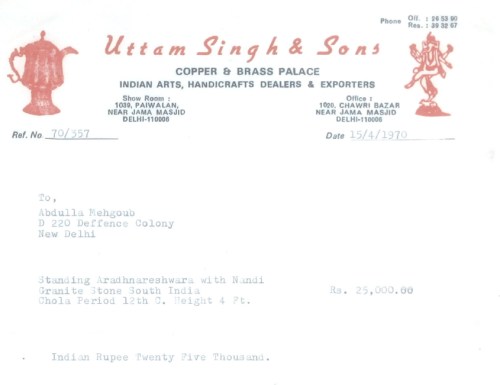
One is a receipt dated 1970, purportedly from Uttam Singh and Sons, the Delhi “copper and brass palace” that sold the sculpture to a private collector.

Ardhanarishvara receipt

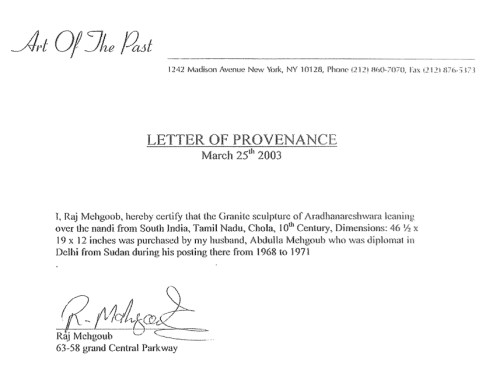
The second document purports to be a 2003 “Letter of Provenance” on letterhead from Art of the Past, Kapoor’s Madison Ave. gallery. It is signed by “Raj Mehgoub,” who claims to be the wife of a diplomat who lived in Delhi from 1968 to 1971.

Aradhanareshwara prov

It is unclear whether the documents are genuine. Uttam Singh and Sons appears to be a real business in Delhi, but we could not reach the owners and did not find record of a Raj or Abdulla Mehgoub.

The documents bear a striking resemblance to other ownership records provided by Kapoor that appear to have been falsified. See, for example, this receipt from a Calcutta gallery for a pair of statues that photos show were in India recently:

Dwarapalas receipt

The Art Gallery of New South Wales acknowledges it did not obtain provenance information for the other five objects acquired from Kapoor, whose total value was about $100,000. The museum says it has not yet been contacted by Indian or American authorities investigating Kapoor.

Michael Brand

Despite lapses in the past, the Gallery should be congratulated for its transparent approach in the current case. Clearly Michael Brand learned from his experience at the Getty Museum, where — as we recount in Chasing Aphrodite — his predecessors’ stonewalling of Italian investigators prolonged the Getty’s troubles for years.

Other museums should follow the Gallery’s lead and use their provenance websites to publish all relevant information about antiquities obtained from Kapoor.

UPDATED: Documents Suggest More Stolen Idols At National Gallery Of Australia

UPDATE 4/10/14: Indian authorities have asked regional police and the public to help identify the origin of the two Dvarapalas that Kapoor sold to the NGA.

Last week we revealed documents suggesting the $5 million bronze Dancing Shiva purchased by the National Gallery of Australia in 2005  had been stolen from an Indian temple not long before.

Shiva Nataraja2The story made immediate waves. You can find media coverage of our scoop here and here. Jason has a story in the June 11th Los Angeles Times on the case. We’ve also shared info with Michaela Boland, the national arts writer at The Australian, who has published additional material there.

As promised, here’s information on four more objects the museum acquired from Subhash Kapoor, whose Manhattan gallery Art of the Past has been selling ancient art to museums around the world since 1974.

Two Dvarapalas, or Door Guardians

In 2005, the National Gallery of Australia purchased a pair of 15th century stone Dvarapalas from Kapoor for nearly $500,000.

148808

dvarapala2

Kapoor provided ownership records for the pair stating they were purchased by a New York collector in 1971 from a gallery in Calcutta .

Dwarapalas prov

Kapoor included what he claimed to be an original receipt from the gallery.

Dwarapalas receipt

Digital images sent to Kapoor, however, show the statues sitting on a dirt floor, propped up by a brick with a white cloth hanging behind them. Sources say the images were taken by Indian smugglers and sent to Kapoor via email in recent years.

Dwarapala1

Dwarapala2

Nagaraja, the Serpent King

In 2006, Kapoor sold the NGA an 8th century sandstone sculpture of Nagaraja, the Serpent King, for $337,500.

152673Nagaraja 2

An ownership document supplied by Kapoor states the Nagaraja had been in a Japanese private collection since 1969.

Nagaraja prov

But among Kapoor’s records are digital pictures of the sculpture suggesting it was still in India in 2005. They show what appears to be the same sculpture sitting on a dirt floor and plaid blanket (above right), and in a warehouse leaning up against burlap packing materials (below.)

Nagaraja 1

Monumental Alam

In 2008, the NGA acquired a 19th century monumental brass Alam, or Islamic processional standard, from Kapoor for $195,000.

alam

The dealer provided a document claiming a diplomat from New York had purchased it in Delhi in the late 1960s.

Alam provDigital images allegedly sent to Kapoor by smugglers, however, suggest it was in India in 2006.

Alam1

Alam2

The National Galley of Australia has not responded to multiple requests for comment. Perhaps none is needed?

UPDATE 6/13: Prompted by “media reports,” the National Gallery of Australia has released a statement acknowledging, “it is possible that the Gallery is a victim of fraud.”

The NGA details the due diligence process it took before acquiring the statue of Shiva include:

∙ the receipt of a certificate from the international Art Loss Register

∙ receiving and checking letters from the previous owner, including checking that the address of the former owner was legitimate

∙ consulting the Tamil Nadu Police website for stolen objects

∙ liaising with a Chola bronze expert in India, who was supportive of the acquisition

∙ checking the extensive records produced by the Archaeological Survey of India.

The steps were clearly not sufficient to prevent the museum from repeatedly acquiring recently looted antiquities from Kapoor. They raise several questions: Does  an Art Loss Register certificate for unprovenanced antiquities carry any meaning? If not, as many experts say, why is it continued to be offered evidence of due diligence by auction houses, dealers and museums? Why did the museum merely confirm the address of the previous owner, not contact him? When the Tamil Nadu Idol Wing website posted an image of the stolen Shiva in 2009, months after the NGA acquired the statue, did the museum contact authorities or do anything proactive to determine if their statue had indeed been stolen? And who was the Chola bronze expert in India who was consulted?

The statement concludes: “At this point the Gallery has been given no substantiated evidence to affect its belief that it owns a genuine item with proper documentation for its history of ownership and which was acquired within accepted museums standards.” Really?

The Australian case holds lessons for all museums that acquire ancient art. The “well regarded” dealers you do business with may someday end up like Kapoor. When that happens, how will your due dilligence efforts look in hindsight. In particular, good faith museums in possession of purported ownership histories from Kapoor should be actively investigating the true provenance of those objects — and making the results public.

SCOOP: New Evidence Of Stolen Idols at the National Gallery of Australia

366257-shiva

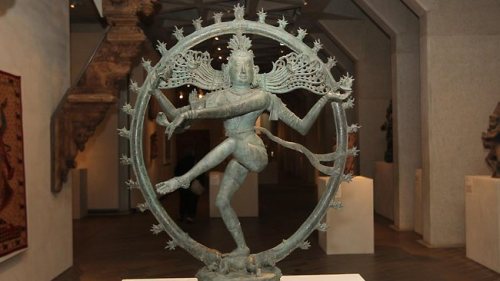
This 900-year-old bronze statue of Dancing Shiva, shown on display at the National Gallery of Australia, was stolen from a temple in Tamil Nadu, India shortly before the museum acquired it, new records show.

UPDATE 11/6: The NGA has released a statement saying there is no “conclusive evidence” the sculpture was stolen. See below.

UPDATE 6/12: Since publishing this post we’ve received documents that show the National Gallery of Art purchased the Dancing Shiva (above) for $5 million, not the $2 million originally stated below and in other media reports.

Last July, we wrote that the arrest of Indian antiquities dealer Subhash Kapoor would test the museum world’s commitment to transparency.

subhash kapoor

Federal investigators in the United States have seized more than $100 million in allegedly looted art from the Manhattan dealer, who they describe as “one of the most prolific commodities smugglers in the world.” In previous posts, we have identified suspect Kapoor objects at museums around the world, including the National Gallery of Australia in Canberra, which acquired 21 objects from Kapoor.

RadfordSo far, the NGA has failed the transparency test. As a member of the International Council of Museums, the museum is bound by a code of ethics that requires it to be open about its collection. But museum officials have refused to identify or release collecting histories for the 21 objects. Instead, the NGA created an investigative committee that includes the two museum officials most responsible for the Kapoor acquisitions: museum director Ron Radford (left) and senior curator of Asian art Robyn Maxwell.
The museum has promised to cooperate with investigators, but in May, Indian officials complained that the NGA had refused to respond to a formal request for information. (The museum claims it never received the request.) Last week Radford was asked about the case during a hearing of Australia’s senate, but would not divulge additional information, saying only that he was confident none of the Kapoor objects had been looted.

Radford’s confidence is sorely misplaced. In the coming days, ChasingAphrodite.com will publish new information about several of the objects the NGA acquired from Kapoor. The records, obtained from sources with knowledge of the on-going investigations, show that several of the objects were illegally removed from Indian temples shortly before Kapoor offered them to Radford, Maxwell and other NGA officials. Many of the objects were accompanied by false provenance papers. Those ownership histories are belied by evidence seized from Kapoor, including photographs sent to him by smugglers soon after the idols had been removed from Indian temples.

The Lord of Dance

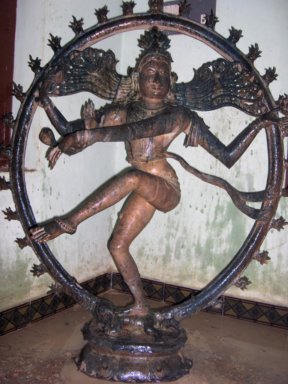
In 2008, the NGA paid Kapoor $5 million $2 million for a bronze Nataraja, or Dancing Shiva. The more than 4-foot (130 cm.) tall figure depicts the Hindu god as the Lord of Dance, prancing in a ring of flames as he steps on the head of a dwarf who represents ignorance. Shiva is ushering in the destruction of the weary universe so that the god Brahma may restart the process of creation. It is a common theme in Indian mythology, particularly in the Tamil temples of southern India.

Kapoor provided the museum with a document stating that he had purchased the bronze from a Washington D.C. man in October 2004. He also signed a warranty prepared by the museum that transferred title to the NGA and indemnified the museum in case of a breach.

Shiva Natraja1

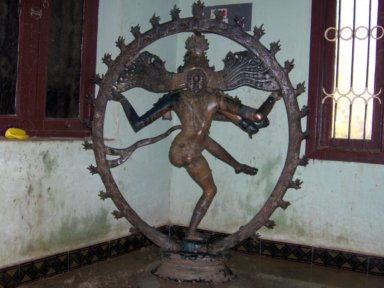
The story of the Washington owner was a fabrication, the records show. This photo of the Nataraja (left) was sent to Kapoor by smugglers in October 2006. Sources say it was taken soon after the  idol was stolen from the Sivan Temple in the village of Sree Puranthan in Tamil Nadu, where it and several other large bronze idols were worshiped before the temple fell into ruin.

According to Indian investigators, a year earlier Kapoor had traveled to Tamil Nadu and met with Sanjivi Asokan, the alleged head of a ring of idol thieves in the region. Kapoor asked for Chola-era bronzes, which were in high demand on the art market. Over the next several months, Asokan allegedly hired thieves who — for 700,000 rupees, or about USD$12,000 — broke into the Sivan Temple and stole the eight idols shown below (Shiva at top left.)Sivan Temple idolsThe idols were allegedly mingled with replicas to convince a government official to certify them as modern handicrafts. They were exported by Ever Star International Services Inc. to New York, where they were received by Kapoor’s company Nimbus Imports Exports in the fall of 2006. For his trouble, Asokan was allegedly paid about USD$200,000.

In April 2007, Kapoor obtained a certificate from the Art Loss Register saying the Shiva had not been registered as stolen property. ALR had no basis to know the Shiva had been stolen — the theft was only discovered by villagers in 2008. But Kapoor was not required to provide any provenance information for the bronze, despite ALR’s public claim that “certificates are not issued on the basis of incomplete or inadequately researched information.”

shiva.kapoorKapoor included the Shiva in the catalog of his Madison Avenue gallery Art of the Past with the above photo and this description:

Shiva as the Nataraja, The Lord of the Dance, is the symbol par excellence of South Asian art. It is the full and perfect expression of divine totality—the manifestation of pure, primal rhythmic power. Shiva simultaneously dances the universe into existence by awakening inert matter with the rhythmic pulse of movement, sustains this existence, and sends all form into destruction….

This is the largest, most significant Chola Period sculpture of this subject to appear on the market in a generation.

There are many bronze sculptures of Nataraja, and they all share certain basic characteristics. But even to a lay eye, the similarities between the Shiva shown in the smuggler’s photos and the one on display at the NGA are apparent. For example, looking closely at the individual flames surrounding Shiva, most have tails to the left, center and middle of the flame. In both the smugglers and the NGA’s Shiva, however, the first and second flames on the top left and the third flame on the top right have tails to the right and left, but none in the middle.

Here is a photo of the Shiva from behind, also sent to Kapoor by the alleged smugglers in 2006. It gives more context for the room, which does not appear to be on Madison Avenue or in Washington D.C.

Shiva Nataraja2

Kapoor, Asokan and the alleged thieves have all been arrested and are currently being tried in India for the Sivan Temple thefts. Meanwhile, American officials with the Department of Homeland Security’s HSI team have issued an arrest warrant for Kapoor in the U.S. and are pursuing their own investigation of museums that acquired objects from him.

We’ll soon post additional documents and photos of Kapoor objects at the NGA and other museums. Meanwhile, institutions that did business with Kapoor would be wise to 1) publicly disclose complete copies of the collecting history for those objects and 2) proactively contact U.S. and Indian investigators.

UPDATE: On Nov 6, 2013, the museum released the following statement from its attorney:

The National Gallery of Australia believes there is yet to emerge any conclusive evidence to demonstrate that the 11th-12th century bronze sculpture of Shiva as Lord of the Dance [Shiva Nataraja] in its collection was stolen or illegally exported from India. The Gallery notes that criminal proceedings against Art of the Past dealer Subhash Kapoor are ongoing.

If, at the end of the legal process, the courts determine that this Shiva Nataraja was stolen and illegally exported, the Gallery will have been a victim of fraud. The Indian Government may request the Australian Government to return the work if it is found to have been stolen or illegally exported from India. The court has made no findings in relation to the sculpture.

In the meantime, the Gallery will continue to cooperate with the relevant authorities including the Indian High Commission.


Five Years After California Museum Raids, More Anger Than Indictments

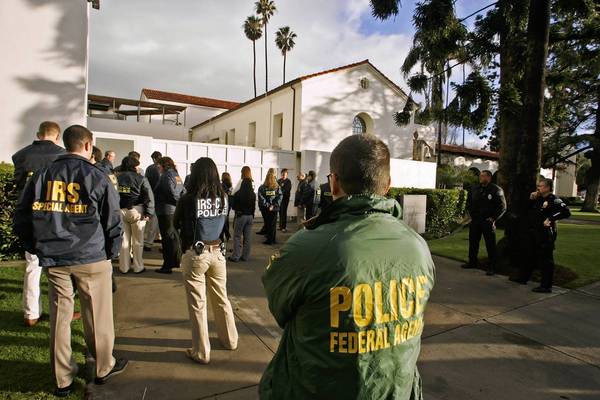
Federal agents descend upon the Bowers Museum in Santa Ana during a raid in January 2008In Sunday’s Los Angeles Times, Jason has an update on the 2008 federal raids of Southern California museums:

When hundreds of federal agents raided four Southern California museums early one January morning in 2008, it set the art world ablaze, suggesting that even amid an international looting scandal museums had continued to do business with the black market in stolen antiquities.

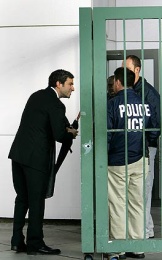
LACMA's Michael Govan asks federal agents permission to enter the museum on the morning of the January 2008 raids.

LACMA’s Michael Govan asks federal agents permission to enter the museum on the morning of the January 2008 raids.

Acting on evidence gathered during a five-year undercover probe, investigators seized more than 10,000 artifacts at the museums and more than a half-dozen other locations in California and Illinois. The objects had allegedly been illegally excavated from sites across South East Asia, smuggled into Los Angeles and donated to the Bowers Museum in Santa Ana, the Pacific Asia Museum in Pasadena, the Mingei Museum in San Diego and the Los Angeles County Museum of Art, according to search warrant affidavits.

But in the years since the high-profile raids, no museum officials or collectors have been indicted, and none of the seized objects have been returned to the countries from which they were allegedly stolen.

Days before the statute of limitations on criminal charges were about to expire in January, a federal grand jury indicted two men in the case. Robert Olson, an 84-year old Van Nuys man, and Marc Pettibone, a 62-year-old American living in Thailand, are both accused of one count of conspiracy and one of trafficking in stolen goods. Two peripheral players in the alleged scheme pleaded guilty to similar charges last year.

2008-may-9-last-photoSeveral people targeted by prosecutors — including Bowers curator Armand Labbe and antiquities dealer Joel Malter — died during the 11-year investigation. A third target, UCLA trained pottery expert Roxanna Brown, was indicted in 2008 and died from health complications while in federal custody, leading the federal government to settle a lawsuit brought by her family for $880,000.

“I’m baffled,” said Stephen Urice, a professor at the University of Miami law school who has written critically of the raids. “Given the amount of illicit antiquities moving through the U.S. borders, these guys are really hacks. Surely there must be more significant people out there.”

In recent interviews, several people with direct knowledge of the investigation expressed anger and frustration, saying the case had languished in the U.S. Attorney’s office. They described Assistant U.S. Attorney Joseph Johns, who has directed the case since its inception, as overzealous, eager to send federal agents into museums to gather evidence but too distracted or overwhelmed with other cases to bring timely criminal charges.

As a result, they say, the case has wasted millions of dollars and inadvertently encouraged the very black market it targeted by suggesting the government is weak on enforcement. The sources spoke on the condition of anonymity because they were not authorized to comment and feared imperiling the criminal case against Olson and Pettibone, which is set to go to trial in June.

You can read the full story here. You can find the previous LA Times coverage of the case here:

Raid story: Raids suggest a deeper network of looted art

Chicago raid on Barry MacLean: Probe of Stolen Art Goes National

Robert Olson profile: “Intrigue but no glamour for smuggling case figure”

Roxanna Brown’s story: Part I, Part II, Part III and settlement

Inflated Art Appraisals are Rampant: You Say That Art Is Worth How Much? 

Here is the Olson and Pettibone indictment:

And the indictments and plea agreements for the “peripheral figures” mentioned in the story.

Michael Malter

Robert Perez

UPDATED: The Met Returns Two Khmer Statues to Cambodia, Citing Clear Evidence Of Looting

DP212330-1UPDATE: The New York Times reported May 15 that Cambodia is also planning to ask for the return of a statue of Hanuman at the Cleveland Museum of Art. This is in addition to the Norton Simon Bhima and the Denver Rama we’ve written about previously, which Cambodian officials also want returned. All are said to have been taken from the same temple complex at Koh Ker. Neither Cleveland nor Denver would disclose the origins or collecting histories of the contested statues.

The Metropolitan Museum of Art has agreed to return two ancient Khmer statues to Cambodia after reviewing clear evidence that they were looted. Here’s Jason’s story in Friday’s LA Times:

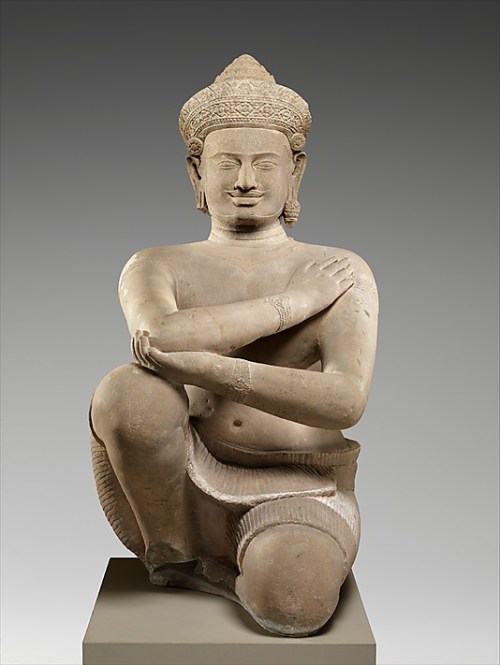
The Metropolitan Museum of Art has agreed to return two ancient statues to Cambodia after receiving convincing evidence they had been looted and smuggled out of the country illegally.

The 10th century Khmer statues, known as the Kneeling Attendants, have flanked the entrance to the Met’s South East Asian galleries for years and are among the museum’s most prized objects from the region.

They were acquired in fragments between 1987 and 1992 as donations primarily from Douglas Latchford, a British collector based in Bangkok who is at the center of a federal investigation of antiquities looted from the ancient temple complex of Koh Ker.

Cambodian officials announced last June that they would seek the return of the statues. At the time, Met officials said they had no information to indicate the statues were stolen.

On Friday, the Met would not release details on what information led it to decide to return the statues, but noted recent press reports and information provided by UNESCO officials, who have been investigating looting in Cambodia.

“All I can say is that sufficient evidence came to light,” said museum spokesman Harold Holzer. “It was dispositive and more than satisfied the director.”

The returns suggest Cambodia has found substantial evidence to support its claim that several American museums possess looted antiquities that were illegally exported by Bangkok-based dealer Douglas Latchford. Latchford has denied the claim.

We’ve previously identified several other museums that acquired Khmer antiquities from Latchford: The Norton Simon Museum, the Kimbell Museum, the Denver Art Museum and the Berlin Museums. The Met continues to possess several other antiquities tied to Latchford that will not be returned in the deal announced Friday.

The Met’s returns will also have an impact on the on-going lawsuit in which the US government is seeking the return of a Khmer warrior statue at Sotheby’s. See here for our complete coverage of the case , including court documents that detail the government’s evidence.

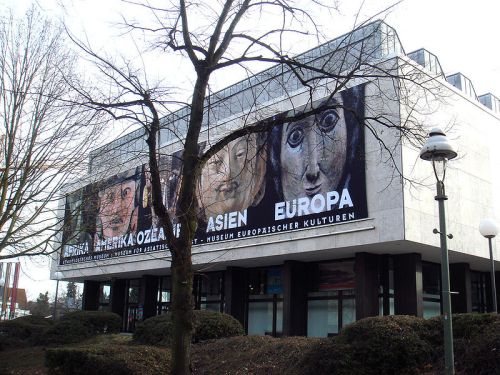
UPDATED: Latchford’s Footprints in Berlin: A Khmer Ganesh and other loans to the Asian Art Museum

800px-MuseumFurAsiatischeKunst

Recently, someone suggested we look into the ties between Douglas Latchford and the Berlin Asian Art Museum, where he is said to have enjoyed a “special arrangement” for several years.

latchford.jpbAs you’ll recall, Latchford is the Bangkok-based British collector who was the source of the looted 10th Century Khmer statues now held by Sotheby’s and the Norton Simon museum. The Sotheby’s statue is the subject of a federal seizure lawsuit brought by the U.S. government on behalf of Cambodia, which claims the statue was illegally removed from the country in the 1970s. The government alleges that Latchford, identified in court records as “the Collector,” knew the statue had been looted from Koh Ker and conspired with Spink and Son auction house to fraudulently obtain export licenses for the statue in 1975. Latchford has denied the allegations.

We’ve previously tracked Khmer art tied to Latchford to the Metropolitan Museum of Art, the Kimbell Art Museum, the Norton Simon Museum and the Denver Art Museum, where his partner Emmy Bunker is a research consultant. In March, a federal judge in New York found sufficient evidence for the US government to proceed with its forfeiture case against the Sotheby’s statue.

Latchford’s ties to the Berlin museum have not previously been reported, and the museum initially declined to answer questions about the loans. Only when we inquired about a specific piece — a statue of Ganesh from Koh Ker — did the museum provide a partial response. “The Museum of Indian Art (today part of the Asian Art Museum) in Berlin borrowed four objects from Mr. Latchford for certain projects between 2000 and 2006,” said spokeswoman Birgit Jöbstl. “It has not purchased any objects from Mr. Latchford. The loans were taken for curatorial reasons, to complete the narrative of the museum.”

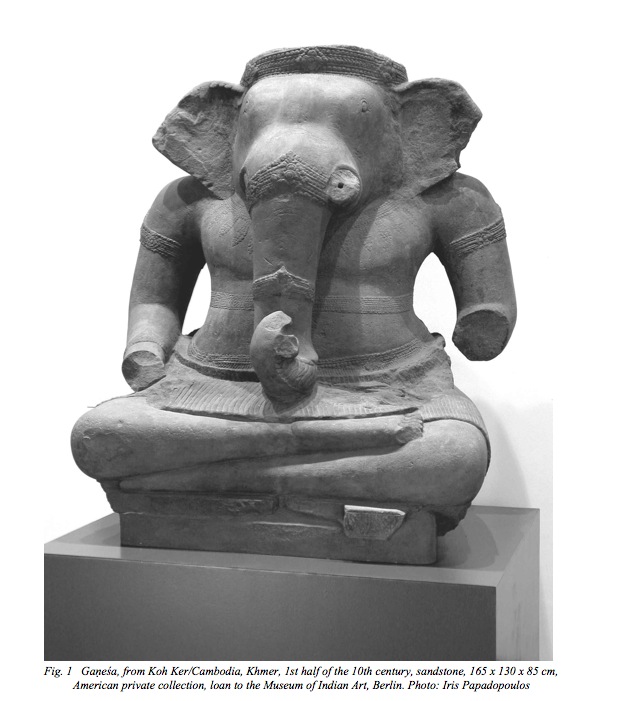
One of those four objects was the sandstone Ganesh from Koh Ker.

UPDATE 5/16: The Berlin Museum has yet to respond to our request of April 8 for information about the other three objects loaned by Latchford. German TV producer Wolfgang Luck has had…ehem…better luck. Here is the response he received from the museum almost immediately (translated from German):

Two objects (a pre-Khmer Buddha, No. 259 in the catalog „Magische Götterwelten (Magic Worlds of Gods) and a female Khmer-figurine, No. 260 in the catalog „Magische Götterwelten”) had been lent on occasion of the museum’s opening in the year 2000. The objects were important pieces of the museum’s permanent exhibition. The contract on the lending of the objects expired in December 2004. The Buddha was given back. As a “replacement” Mr. Latchford lent the above mentioned Ganesha-figurine to the museum. The contract on the lending of the female Khmer-figurine was prolonged until the end of 2005, thereafter it was given back as well. The fourth object, a Vishnu, arrived at the museum at the beginning of 2006 and was on display there until its return to Mr. Latchford in February 2007.”

Museum spokeswoman Birgit Jöbstl took issue with our characterization of the loans as evidence of a special relationship, telling Luck, “Within the described contracts on lending there were no extraordinary agreements.” However, she goes on to acknowledge the museum did not follow its own due diligence standards when accepting the statues, which have no documented ownership history:

With regard to the examination of the objects’ provenance we must unfortunately assume that no other documents were obtained from Mr. Latchford than his personal confirmation and the information published in Bunker/Latchford: Adoration and Glory: The Golden Age of Khmer Art (2004). According to the UNESCO Convention of 1970 the Prussian Cultural Heritage Foundation does not acquire objects, the lawful provenance or importation of which is doubtful. For several years now the Prussian Cultural Heritage Foundation has been maintaining this attitude also towards items of loan. Unfortunately this standard was not yet maintained with the above mentioned objects lent to the museum by Mr. Latchford.

We also note that the authors of the above-cited publication, “Magische Götterwelten,” were several Berlin Museum officials, including Marianne Yaldiz. Look for Wolfgang Luck’s 1 hour documentary on the case sometime next year on the German-French station ARTE.

Now, back to the Koh Ker Ganesh…

Screen Shot 2013-04-29 at 10.50.34 PMThe statue representing the elephantine Hindu deity, worshiped even today as the Remover of Obstacles and Lord of Beginnings, arrived at the Berlin museum in December 2004 and was given prominent display at the museum’s entrance. It was described as being on loan from “an American private collection,” but in fact it had come from Latchford. Soon after it arrived, the piece was published in the museum’s journal Indo-Asiatische Zeitschrift GIAK. Its only previous publication had been in Latchford and Bunker’s 2004 catalog “Adoration and Glory: The Golden Age of Khmer Art” (pp. 168-70.)

The GIAK Indo-Asiatische Zeitschrift article pointed to the striking similarities between the statue and a Ganesh photographed during the 1939 Parmentier expedition to Koh Ker. It had since disappeared, presumably looted. “This work represents an exact counterpart of the present image both in terms of shape and size,” the article noted. “Even in minute details, both figures seem to be quite similar. However, they wear different types of necklaces, and carved nipples are absent on the Berlin Ganesha…Both the figures are probably products of the same workshop, and both of them may have served as cult images.”

Some scholars had already pointed out the similarities with some suspicion. Betrand Porte suggested in an article in Arts Asiatiques (59, 2004) that the Berlin Ganesh may be the same one shown in the Parmentier photos, with a few details carefully altered to disguise its looted origins. Jean Baptiste and Thierry Zéphir suggested in the same publication that the question could be cleared up with a close scientific analysis. But when a museum consultant suggested testing the statue, the museum’s director Marianne Yaldiz reportedly grew upset. Latchford and Bunker provided a report of a visual examination conducted by Pieter Meyers — the same Los Angeles expert used when doubts arose in Sotheby’s investigation — that concluded the Berlin statue had not been altered. Soon after, the consultant left the museum.

The consultant would not comment and Yaldiz, who retired in 2006, could not be reached. The scientific analysis was never conducted. The Ganesh was removed from display in December 2006, and its whereabouts are currently not known.

In a statement, the museum spokeswoman said, “For all loans, the museum observed due diligence according to the Berlin museums’ general practice, and there was at that time no reason to question the integrity of the lender…The Asian Art Museum, like all other collections of the Staatliche Museen zu Berlin – Preussischer Kulturbesitz, observes due diligence before borrowing or buying objects. It thereby works according to the standards set by the UNESCO Convention on the Means of Prohibiting and Preventing the Illicit Import, Export and Transfer of Ownership of Cultural Property of 1970.”

Given that commitment to UNESCO principals, we have asked the Berlin museum to provide details about its due diligence for the Latchford loans. What documented ownership history was provided with the loans? What assured the museum that the objects were not the product of modern looting? Where are they today? Why was the Ganesh described as coming from an American collection, when it fact it came from Latchford? And what purpose did the “special arrangement” with Latchford serve, aside from boosting the value of the objects for later sale?

The museum has so far declined to answer those questions. We’ll post a response when we receive it.

The Peruvian Connection: Federal Agents Bust Alleged Antiquities Smugglers Network In Utah

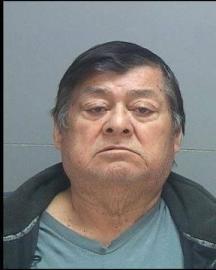
Last week a federal grand jury indicted two Utah residents and two Peruvians in an alleged scheme to smuggle recently looted artifacts into the United States.

1106968The case started in the fall of 2012 when an undercover agent with U.S. Immigration and Customs Enforcement’s Homeland Security Investigations (HSI) bought 12 artifacts from 70-year old  Cesar Guarderas of West Valley City Utah for more than $20,000.

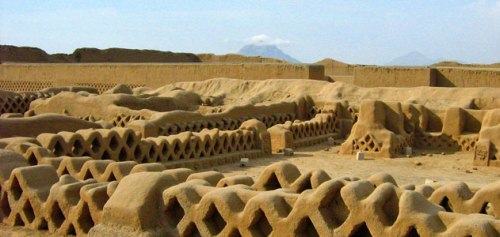
Guarderas told the agent that Javier Abanto-Sarmiento, his supplier in Trujillo, Peru, had access to more than 100 more pieces of pottery. Trujillo is a major city in northwest Peru near what was once the center of the ancient Chimu kingdom. The Chimu capital Chan Chan, just 5 km outside Trujillo, is the largest Pre-Colombian city in South America and the largest adobe city in the world. It has been a World Heritage Site since 1986.

Chan-Chan-Peru-631

The site has a long history of plunder, as noted by Smithsonian Magazine:

Chan Chan’s days of glory came to an end around 1470, when the Inca conquered the city, broke up the Chimú Empire and brought many of Chan Chan’s craftsmen to their own capital, Cuzco, 600 miles to the southeast. By the time Spanish conquistador Francisco Pizarro arrived around 1532, the city had been largely abandoned, though reports from the expedition described walls and other architectural features adorned with precious metals. (One of the conqueror’s kinsmen, Pedro Pizarro, found a doorway covered in silver that might well have been worth more than $2 million today.) Chan Chan was pillaged as the Spaniards formed mining companies to extract every trace of gold and silver from the city.

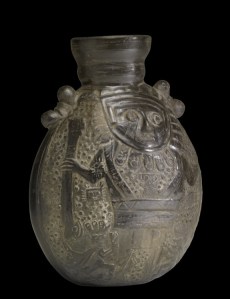
l_ps1_482858_3qtr_dd_t09Today, Early Chimu (Moche) and Chimu pottery like this piece acquired in 2009 by the Walters Art Museum in Baltimore is popular among collectors of Pre-Colombian art.

Guarderas told the undercover agent that Abanto-Sarmiento “knows where to look for pottery buried in the ground” and “had a contact with the National Institute of Culture in Peru who provides him with authentic certifications stating that the pottery are replicas and  uses the certifications to illegally export genuine artwork from Peru.”

The agent subsequently acquired another 25 objects from the network, the indictment alleges. The objects were later authenticated by experts at Utah Valley University and Tulane University.

Also named in the indictment is Abanto-Sarmiento’s brother Alfredo, who remains at large in Peru, and their sister Rosa Isabel Guarderas of West Valley Utah.

Some issues to watch as the case moves forward: How long had the alleged network been in action? To whom did they sell the looted artifacts? Have any local museums done business with them?

In 1997, the United States and Peru signed a bi-lateral agreement under the 1970 UNESCO accord prohibiting the importation into the United States of specific cultural property originating from Peru, including artifacts and ethnological religious objects. But as Rick St. Hilaire has noted, the prosecutors are pursuing smuggling charges, not violations of the import restrictions. The potential maximum penalty for smuggling goods into the United States is up to 20 years in prison and a $250,000 fine.

Here is the criminal complaint:

FBI: Ancient Coin Dealer Gantcho Zagorski Indicted on Federal Tax Charges

A federal grand jury indicted Gantcho Zagorski, a 59-year old U.S. dealer in ancient coins, on three counts of aiding and assisting in the filing of false income tax returns, the FBI announced Tuesday.

Hadrian-RICII-297-Eastern

Zagorski sold ancient coins online via EBay under the name Diana Coins and Paganecoins, the indictment states. Diana Coins LLC was founded in 2008 in Hackensack, N.J., public records show. Records also list Zagorski as the owner of Balkan Import Auto Sales, Inc. in Venice Florida, where he has lived. He currently resides in Chicago, authorities said. Calls to his federal public defender attorney were not returned late Thursday.

The indictment alleges:

Zagorski owned and operated a business that sold ancient coins to domestic and international customers, primarily on eBay, from his residence in Hackensack. Zagorski, along with his wife and, at times, his daughter, operated the coin-selling business under the names Diana Coins, Paganecoins, and Diana Coins LLC. For calendar years 2006, 2007, and 2008, Zagorski provided his tax preparer with false and fraudulent information by understating the amount of gross receipts and sales earned by his business. Zagorski then caused to be filed with the IRS those federal income tax returns for 2006, 2007, and 2008 containing that false and fraudulent information.

The indictment also says that Zagorski claimed gross receipts and sales of $230,000 – $314,000 between 2006 and 2008, amounts the indictment claims were “underreported.” Each of the three tax counts carries a maximum penalty of three years in prison and a $250,000 fine.

The indictment does not address the legality of the coins he was selling. Here is the complete indictment:

BREAKING: Judge rules in favor of Cambodia, Denies Sotheby’s Motion to Dismiss Claim to Khmer Statue

A New York judge has denied Sotheby’s motion to dismiss Cambodia’s claim — brought on its behalf by the US government — that a 10th century Khmer statue was looted and should be returned.

Koh Ker wrestler

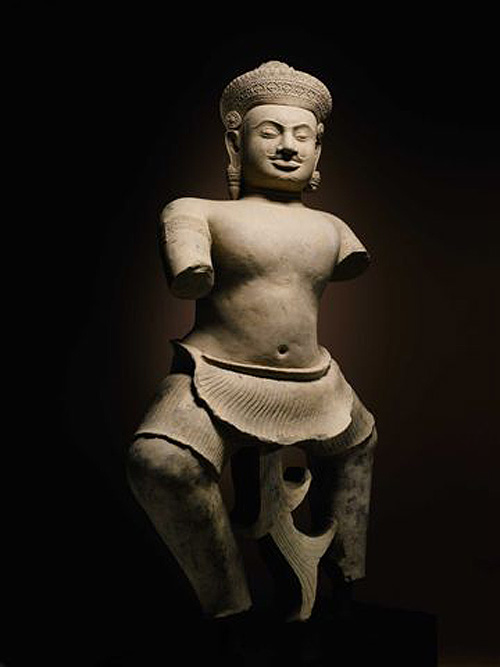
District court judge George B. Daniels ruled on Thursday that the government has “sufficiently pled facts regarding Sotheby’s knowledge that the Statue was stolen at the time of import into the United States.” He also found the government had presented sufficient evidence that Douglas Latchford, the British collector who initially sold the statue, “knew the statue had been looted from Koh Ker.”

The ruling, which dismissed several of Sotheby’s key arguments, is not a final ruling but allows the case to proceed. You can find our complete coverage of the case, including past legal filings, here.

Here is Daniels’ 18-page ruling: