
Rampant looting across Syria during its prolonged civil war has been well documented through satellite imagery and on the ground reports, but evidence that the looted antiquities are emerging in the Western art markets has, until recently, been scarce.
That is starting to change. Last month, Spanish investigators arrested a Barcelona antiquities dealer, Jaume Bagot, for alleged trafficking in looted antiquities sold by ISIS. Last week, Italian authorities seized objects said to have been looted in Egypt by ISIS affiliates, though details have yet to emerge. And in May 2017, the Wall Street Journal reported that the New York gallery Phoenix Ancient Art was entangled in an investigation of ISIS loot, a claimed the owners say is false and libelous.
This week, the issue hit home when federal authorities in Los Angeles moved to forfeit a 1 ton, 18-foot long ancient mosaic of Hercules’ 11th labor that was seized in 2016 from a naturalized Syrian man living in Palmdale, CA. The government alleges the massive mosaic was looted in Syria and smuggled into the United States with falsified documents. (See complaint below.)
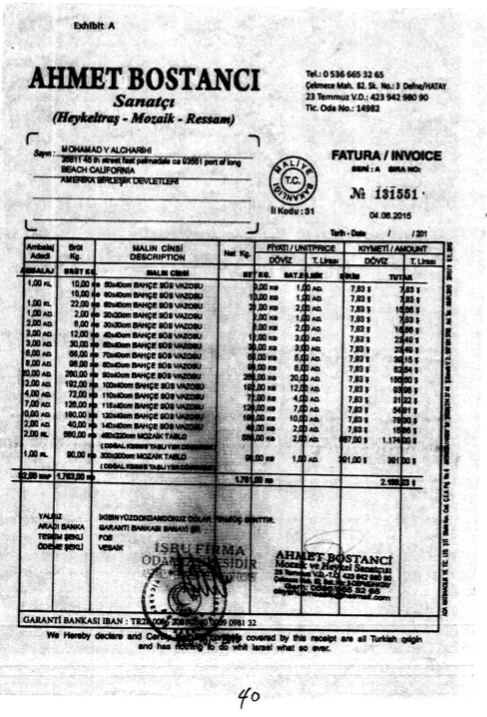
The FBI has been investigating the owner of the mosaic, Mohamad Yassin Alcharihi, since 2015, when he hired the company Soo Hoo Customs Brokers to import the mosaic through the port of Long Beach. The mosaic was imported along with two other mosaics and 81 modern vases and declared as “ornamental art” and “ceramic tiles” with a total value of $2,199.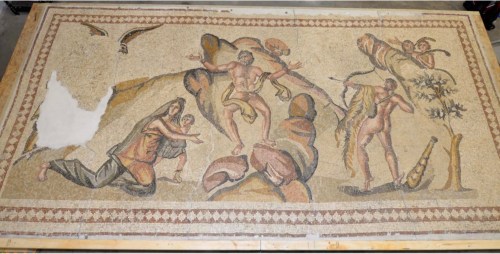
Alcharihi said he had purchased the mosaics and vases from Ahmet Bostanci in Defne-Hatay, Turkey earlier that year. An invoice shows the sale took place June 4, 2015.
But another document found in his house claimed Alcharihi had purchased the rolled up “mosaic carpet” in a 2009 yard sale and had been in the seller’s family since the early 1970s. When interviewed, the seller said she was Alcharihi’s neighbor and had written the receipt at Alcharihi’s request to document her sale of a small carpet, not a 1 ton mosaic. It appears this false provenance story was intended to cover the mosaic’s true origins.
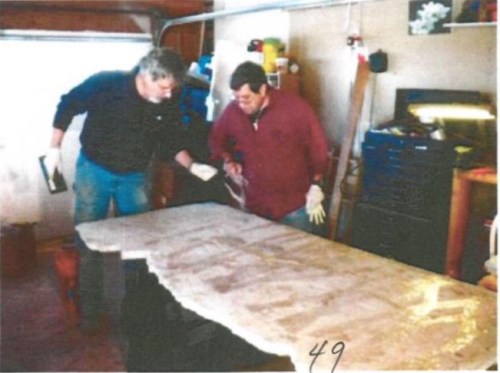
Federal investigators interviewed two artists who helped restore the mosaic. Alcharihi told the first, an artist who had done work for New York City Metro, that the mosaic had been “peeled off a floor 25 years ago,” rolled up and stored while Alcharihi tried to get it out of Turkey. The second artist spent 20 days in Alcharihi’s Palmdale garage restoring the mosaic.
Alcharihi submitted photos of the mosaic to an auction house, including one that appeared to show the mosaic in the ground. An expert for the government examined the photos, and later the mosaic itself, and concluded it was likely Byzantine with iconography consistent with mosaics found near Idlib, Syria.
Idlib, in the northwest corner of Syrian near the Turkish border, has been at the center of fierce fighting between President Bashar al-Assad’s government forces and opposition fighters and ISIS at times since 2011. In late 2014 the city was the focus of a rebel offensive against government forces that included Al Nusra, an Al Qaeda affiliated rebel group.
Alcharihi told investigators he worked in sales and sold salvaged cars through a cousin in Togo, Africa. He said he had bought the mosaics from a well known artist in Turkey who was Syrian and lives in Saudi Arabia, but traveled often to Turkey. He claimed to have paid $12,000 for the mosaic and vases and admitted undervaluing them to avoid import duties, court records show. He also admitted the mosaic was ancient, unlike the modern vases.
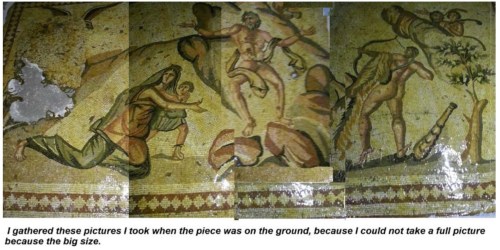
In emails seized by authorities, Alchahiri told a prospective buyer a different story: “The mosaic piece was found in a destructed historical building in Ariha county in Idleb city, North western of Syria” on land owned by his family. The picture of the mosaic was taken in situ in 2010 by an expert who removed the mosaic “after obtaining a removal and transfer permit” and sent it to Turkey for restoration.
In the email, Alchahiri included an image of the mosaics in situ:
Alchahiri’s associate obtained an estimate of $100,000 to $200,000 market value for the mosaic and sent pictures of it to an unnamed UK auction house. When the auction house inquired about its provenance, the associate was forthcoming: Syria. “As long has you have documentation/proof that they left Syria before 2010, we might be able to accept these if they are legally shipped to the UK.,” the auction house responded, later offering an estimate of 40,000 to 60,000 British Pounds, or USD$60,000 to $91,000.
The complaint does not say what came of the proposed sale, nor explain why it took two years after the seizure for federal officials to file a forfeiture complaint in Los Angeles this week.
UPDATE: In a petition filed in October 2016, Alchahiri, acting as his own attorney, challenged the government seizure and submitted a raft of documents to support his claim that it was legally exported.
Alchahiri objected to the seizure on several grounds, alleging repeatedly that the FBI’s only basis for the seizure was “Islamaphobia and racism.” Some of his assertions are difficult to understand, such as his claim that “The Mosaic makes a certain statement about Greek Mythology which is muffled and stifled by the illegal seizure of the Mosaic and the continued refusal to return such property for display to the public.”
The 70+ pages of attachments to his petition offer new details on the case, including photos of the extensive restoration done by Stephen J. Miotto of Miotto Mosaics Art Studios.
A list of items seized during the FBI raid includes a reference to “Heritage Auctions,” a Dallas TX based auction house with an office in London that specializes in ancient coins.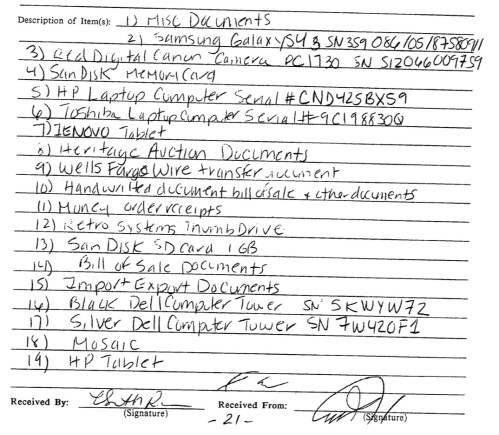
In another document, a lawyer for Alchahiri states he is “a naturalized citizen of the UnitedStates, originally from Syria, who operates the business of importing, buying and selling ancient artifacts from overseas.” Alchahiri “became interested in importation and sales of artifacts in about 3 years due to good connections and his knowledge of people working in cheap labor departments of organizations involving artifacts.”
In the same letter, the lawyer notes that Alchahiri was concerned about documents the FBI found in his safe “may be misconstrued and may be improperly viewed as possibly incriminating.”
“The purpose was to mislead non-serious buyers and possible thieves who had already begun to inquire about the valuable mosaic, subsequent to its restoration,” the lawyer stated.
The letter appears to be referring to the false provenance documents described in the complaint, which purport that Alchahiri bought the “mosaic carpet” in a 2009 yard sale from his neighbor, who claimed to have had it in the family since 1970.
Here are the court filings in USA vs. One Ancient Mosaic:
 A remarkable document filed with New York’s Supreme Court on Friday reconstructs the journey of an ancient sculpture of a bull’s head from its theft during the Lebanese civil war through the shadowy corners and winding pathways of the international antiquities black market.
 The filing, an application for a turnover order filed by Deputy DA Mathew Bogdanos, recounts a Grand Jury investigation that traced the stolen relic through a who’s who of the antiquities trade before ending up on loan at the Metropolitan Museum of Art, where it was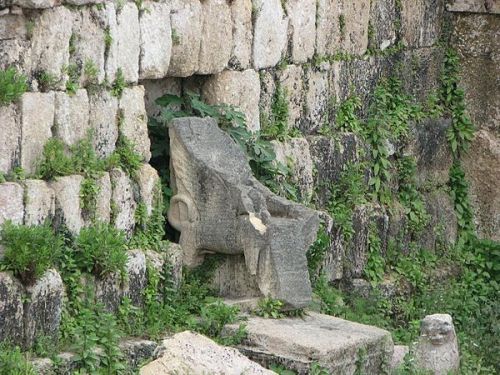
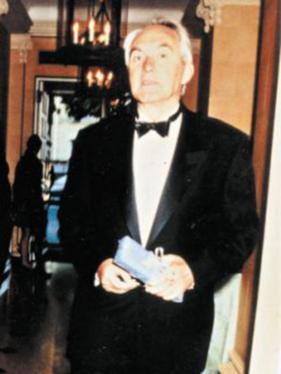
 November 27, 1996: Symes sells the Bull’s Head for $1.2 million to Lynda and William Beierwaltes of Colorado, who display it in their dining room. While Symes assures them the object is authentic, as Bogdanos notes, “there was not a whisper-not even the faintest hint of a whisper about whether it was a lawful antiquity. Indeed, the lawfulness of the Bull’s Head (C-17) does not appear to have been part of any documented conversation between the Beierwaltes and Symes.” The Bull’s Head appears on the market “like Athena full-grown from the brow of Zeus,” Bogdanos writes, one of several flourishes in his filing.
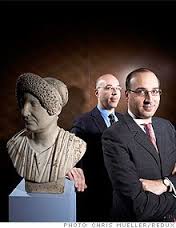 2005: The Beierwaltes approach Hicham Aboutaam at

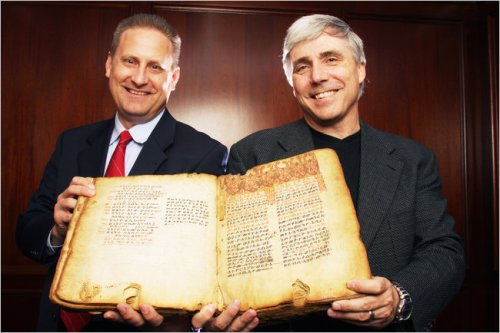
 The sample of those objects made available for inspection that day bore several hallmarks of the illicit antiquities trade.
 I have confirmed that Green’s unnamed expert was Patty Gerstenblith, one of the country’s leading
  CA: Was there any follow-up? Did they ask you to review any specific cases or documents after that?
 Prosecutors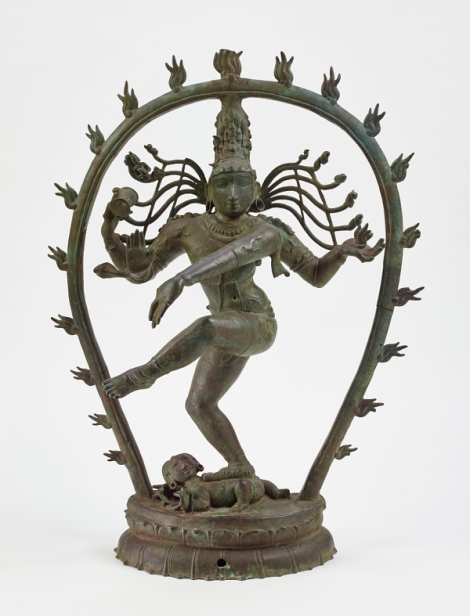


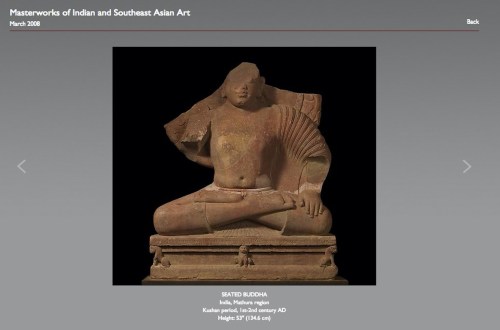
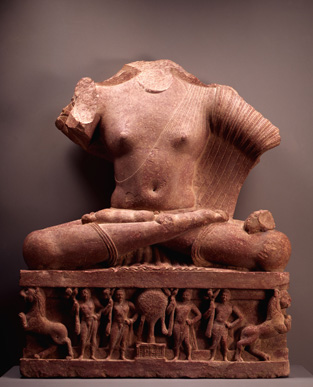
 A confidential source pointed us to this Kushan Buddha at the Musee Guimet in Paris. The source believes Doris Wiener may have sold the sculpture, which is
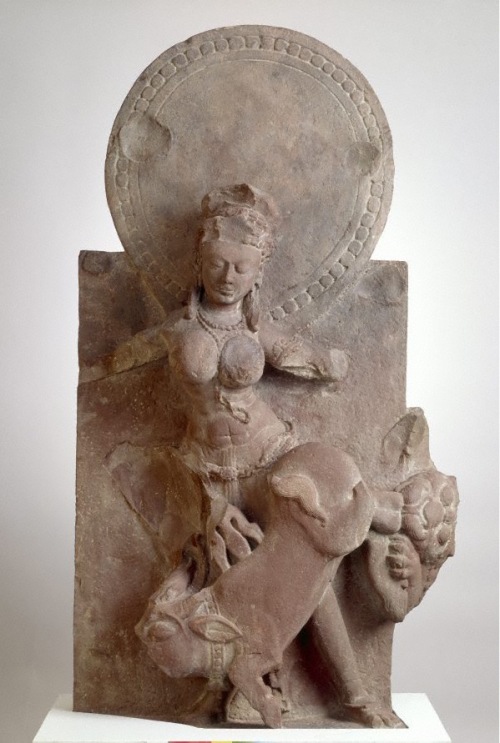
  Antiquities dealer Nancy Wiener was arrested Wednesday morning in Manhattan and charged with conspiring with international smuggling networks to buy, smuggle, launder and sell millions of dollars worth of stolen Asian art thru leading auction houses.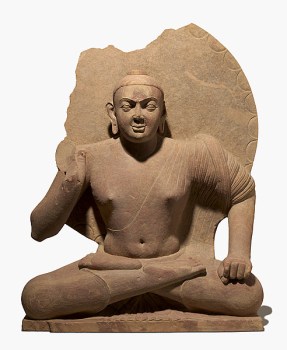
 She sold the first to Singapore’s ACM without being asked to provide its ownership history, the complaint states. After I repeatedly asked the museum to release its records (to no avail), the museum appears to have contacted Wiener for additional information.
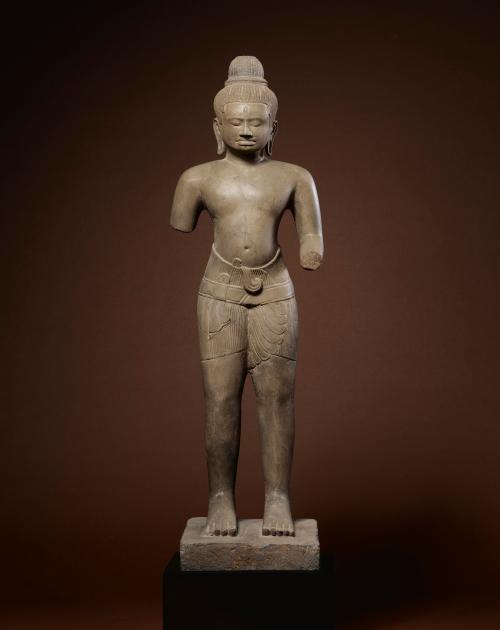 When Wiener consigned a Cambodian sculpture of 11th century Shiva at a 2011 auction at Sotheby’s, the auction house noted that cracks in the sculpture “had been dressed up with plaint splatters to mask repairs” – a clear sign of looting, according to the complaint.



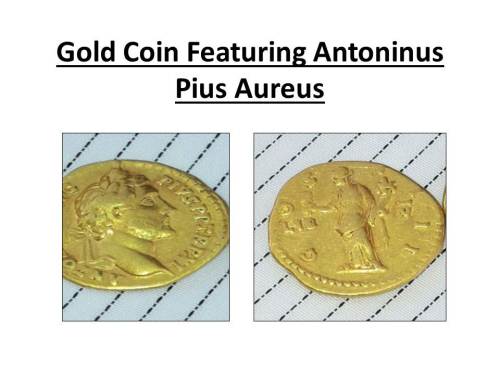 3. A second gold coin depicted on images found on Abu Sayyaf’s hard drive shows Emperor Hadrian Augustus Caesar saying from 125 – 128 AD, the complaint states.
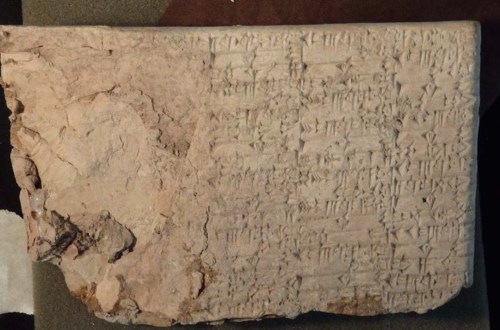
 4. The fourth object, depicted in an image found on Abu Sayyaf’s WhatsApp account on his cellphone and created in August 2014, shows a stone relief with cuneiform writing. The inscription, which is legible from the photographs, is an Assyrian dedication to King Shalmaneser III (859 – 824 BC). The object is believed to be from the archaeological site of Tell Ajaja in northern Syria. The relief has an estimated value of $30,000 – $50,000, the complaint states.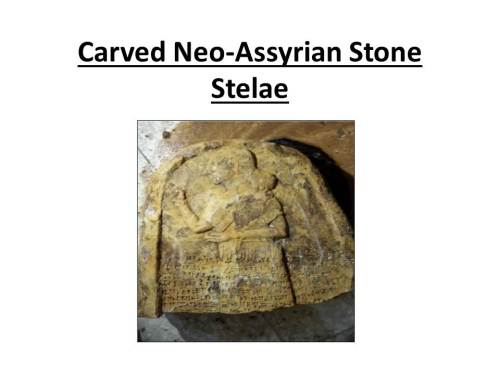

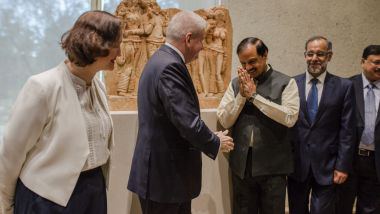
 The Kushan sculpture of a Seated Buddha was likely returned out of the public eye on Monday because it no longer belongs to the museum. In March 2015, the museum announced that it had returned it for a refund to Nancy Wiener, the New York owner of the Wiener Gallery who sold the statue in 2007 for $1.08 million. Wiener, in turn, agreed to “donate” it to India.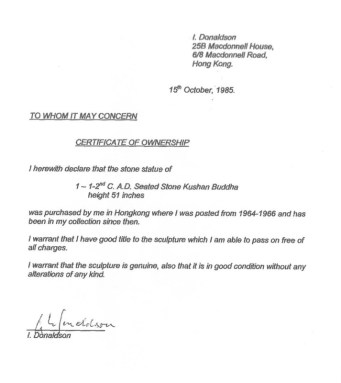

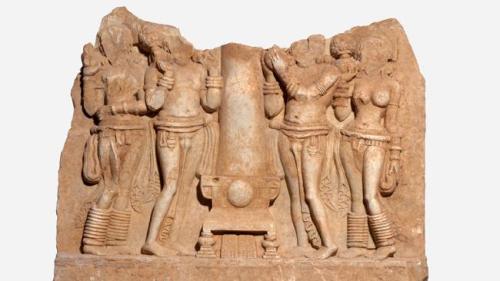

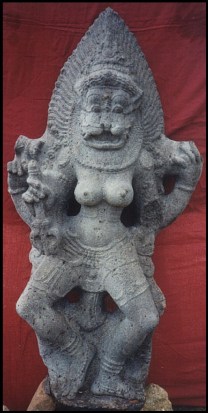
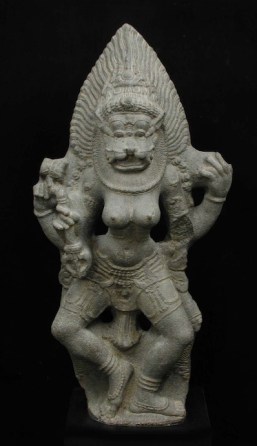

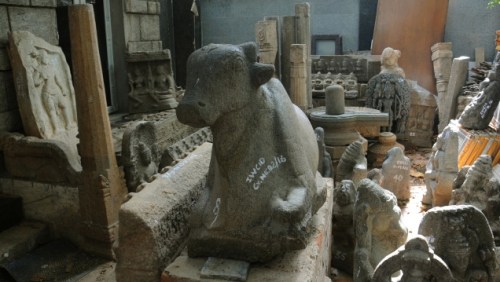
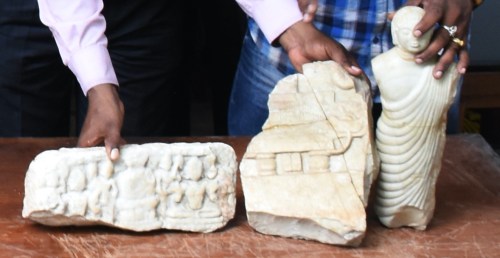
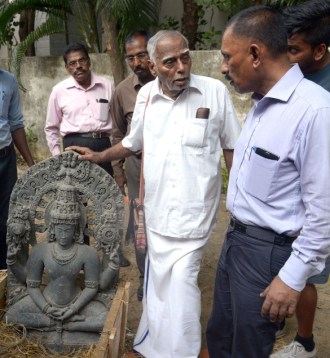 The police raids have now spread beyond Tamil Nadu are likely to continue in the coming weeks that authorities unravel the smuggling network and sort through voluminous evidence. Authorities have identified the
  Investigators are still looking for links between Dayalan and one of his prominent American clients: Subhash Kapoor, the Manhattan antiquities dealer now standing trial in India for selling stolen antiquities to museums around the world. “We have not got clinching evidence to prove [his] link with the international idol smuggler Subhash Kapoor,” one investigator
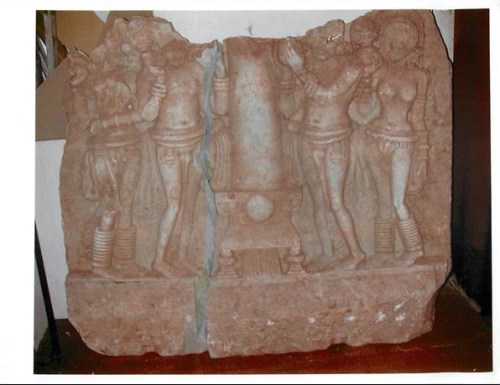
 But authorities have already identified Dayalan as the source of one stolen Kapoor object that has already been returned to India: The Art Gallery of New South Wales‘ sculpture of Ardhanarishvara, whose origins we




 |
|

 CHASING APHRODITE